
You've found the perfect summer camp job, submitted your application, and now you have an interview. Congratulations! Camp directors hire quickly and look for something specific: people who are reliable, caring, and ready to be part of a community.
The good news is that most summer camp interview questions follow a pattern. Prepare for the five below and you'll walk in confident. Each one includes what the director is really asking and a sample answer to inspire your own.
1. Why do you want to work at a summer camp?
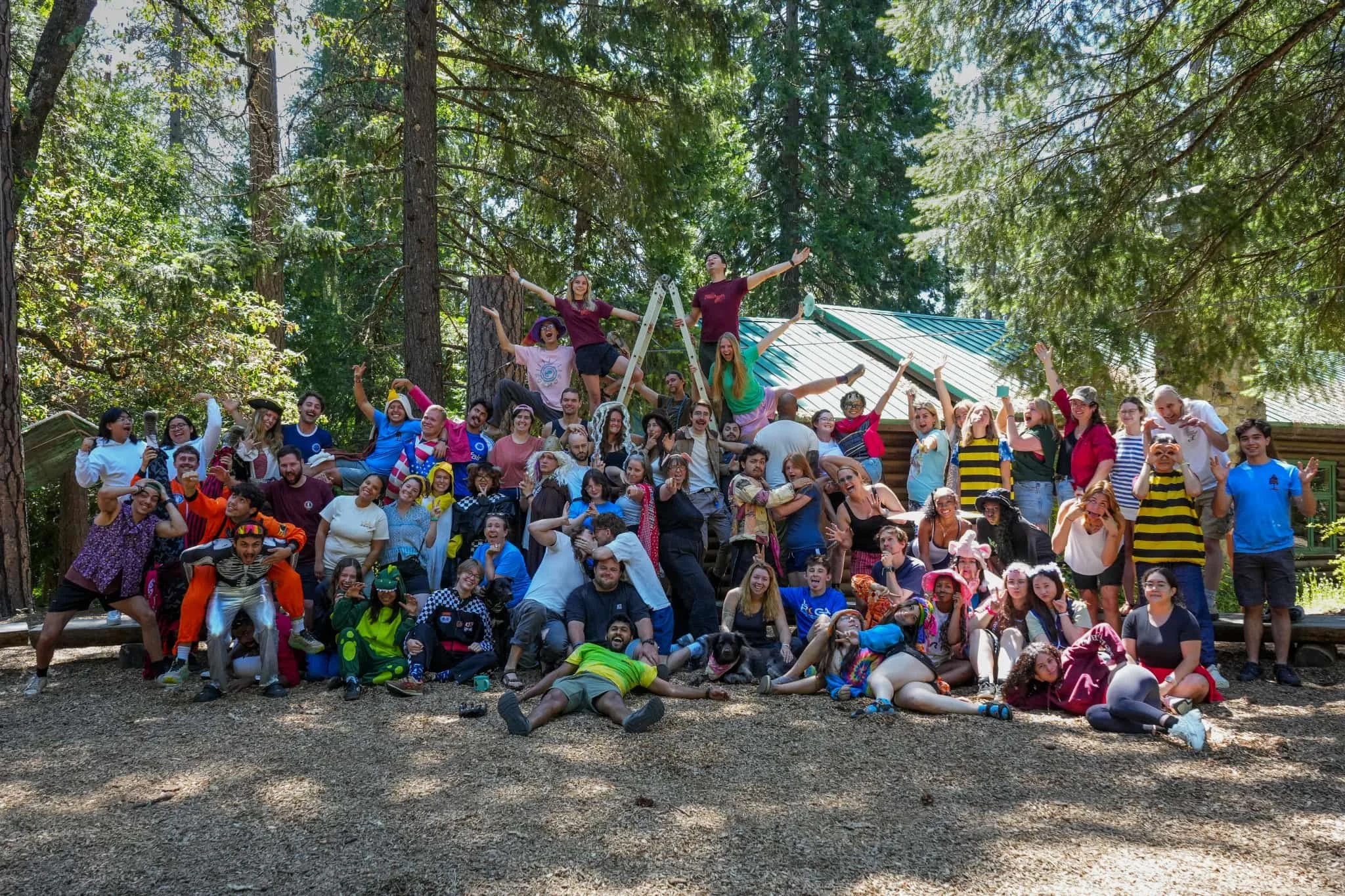
What they're really asking: Do you genuinely care about camp, or do you just need a summer job?
This is almost always the first question, and it's your best chance to show real motivation right off the bat. Directors want staff who will still be energized in week seven, not just week one.
Tips:
Share a personal story, such as a time you looked up to someone older or a moment you saw a kid light up.
Mention the camp by name and what drew you to its programme or values.
Avoid answers focused only on pay, CV building, or "having a free summer."
Good answer: "I went to camp for six summers, and my counsellors shaped who I am. I want to be that person for someone else. I'm also drawn to your focus on outdoor adventure, because that's where I've seen kids grow the most."
Incomplete answer: "I’m really looking forward to traveling to a new place! I love to travel and I’ve never been to the US!”
2. What experience do you have working with children?
What they're really asking: Can you be trusted with kids, and do you know how to engage them? Prove it.
You don't need a formal teaching background. Babysitting, coaching, tutoring, volunteering, youth group, and even caring for younger siblings all count.
Tips:
Name the age group and what you did, not just the title.
Highlight responsibility, patience, and creativity. Give an example or tell a story.
Include any qualifications, such as CPR, First Aid, or lifeguard training.
Good answer: "For the past three summers I've coached a youth football team of 8 to 10 year olds. I planned training sessions, kept every kid involved regardless of skill, and talked with parents. It taught me how to keep energy high while making sure no one feels left out."
Incomplete answer: “I have a younger brother and I have a lot of experience looking after him when my parents are away.”
3. What would you do if a camper was homesick?
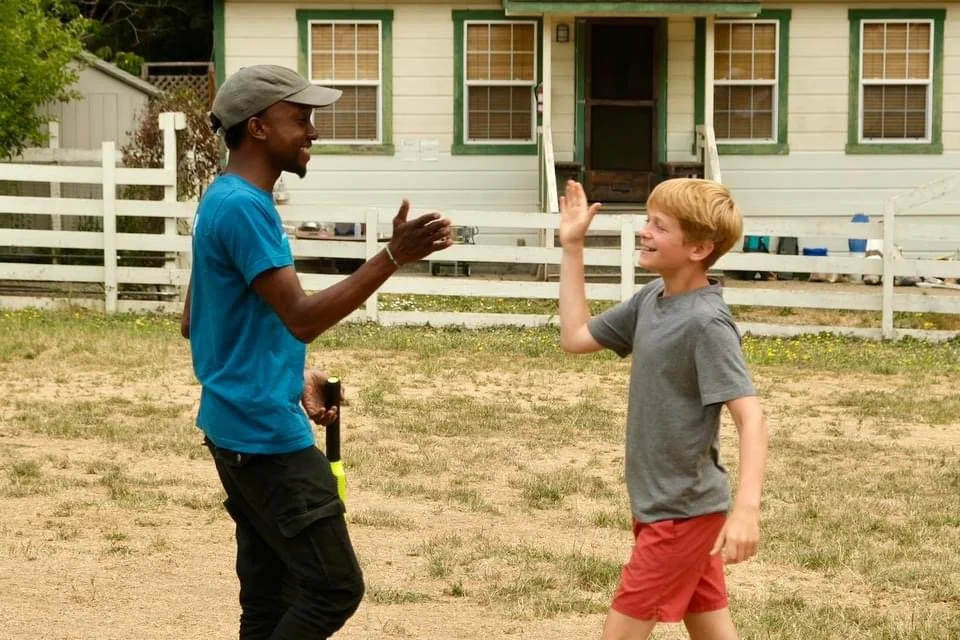
What they're really asking: Do you have empathy, and can you handle emotional situations calmly? Show me.
Homesickness is one of the most common challenges at camp, and directors want to know you'll respond with care rather than panic. This question give you a chance to display you know how to handle complex, emotional situations/
Tips:
Lead with listening and validation: "It's normal to miss home."
Describe how you'd help them connect, such as pairing them with a buddy, involving them in an activity, or giving them a job.
Mention that you'd loop in a supervisor or camp director if needed.
Good answer: "I'd start by listening and letting them know that missing home is completely normal. Then I'd help them get involved in something fun, like pairing them with another camper for the next activity. If it didn't improve, I'd check in with my supervisor so we could support them together."
Incomplete answer: “I would make sure to pull them aside and hear how they are feeling. I would encourage them to keep trying to make friends and let them know that the homesickness will eventually go away.”
4. What is your biggest strength, and what is one weakness?
What they're really asking: Are you self-aware, and are you coachable?
Pick a strength that's relevant to camp, and a real weakness you're actively working on.
Tips:
Strengths that work well: enthusiasm, adaptability, patience, leadership, creativity, teamwork.
Choose a genuine weakness (not "I work too hard") and show how you manage it.
Back up the strength with a quick example and story if it makes sense.
Bonus tip: Don’t say you are a perfectionist; one of the most common answers.
Good answer: "My biggest strength is adaptability. When a rainy day ruined our sports day plans, I helped lead a game that worked inside. One weakness is that I sometimes hesitate to ask for help. I've learned that asking early makes me a better teammate, so I now check in with others regularly."
Incomplete answer: “My biggest strength is that I’m a hard worker. I’m always ready to work. One weakness is that I am a perfectionist. I’m never satisfied until I feel like my work is perfect.”
5. What teaching or leadership experience do you have with [activity]?
What they're really asking: Can you lead this specific activity safely and keep kids engaged?
The activity could be swimming, archery, arts and crafts, sports, drama, music, climbing, or cooking. Directors need to fill specific roles, so be ready to talk about your skills.
Tips:
Be specific and honest about your level of experience and any qualifications.
Explain how you'd teach it to beginners.
If you're newer to the activity, show enthusiasm and a willingness to learn.
Good answer: "I've been painting since I was ten and I've helped teach art classes at my local community centre. I like to start with a simple project so every camper finishes something they're proud of, then add challenges for those who want more."
Incomplete answer: “I like to paint in my free time and I’m involved in a bunch of clubs at school.”
Bonus: More Camp Interview Questions to Practice
Once you've mastered the top five, prepare for these common follow-ups:
How would you handle a conflict between two campers?
What would you do if a camper refused to participate?
Tell me about a time you had to solve a problem quickly.
How do you handle being tired or stressed while staying positive?
Are you comfortable with the physical demands of camp, including outdoor activity and living in shared spaces?
What would you do if you saw a safety concern or a fellow staff member breaking a rule?
Why are you interested in this camp?
What's your availability for the full summer, including staff training?
Do you have any questions for us?
Final Tips to Stand Out
Research the camp. Know its programmes, values, and age groups.
Bring your enthusiasm. Directors hire people who light up a room.
Show, don’t tell. Give examples of your experience to highlight the qualities that make you a great candidate.
Ask questions. Try "What does a typical day look like for staff?" or "What does training involve?"
Follow up email. A short thank-you email after the interview goes a long way, and keeps you top of mind for camp directors.
Ready to Find Your Camp?
The right preparation makes interviews feel less like a test and more like a conversation about something you love. If you're ready to start your summer camp journey, Camp Connections can help match you with camps looking for people just like you! And best part is, you pay no fees.
